
MENU
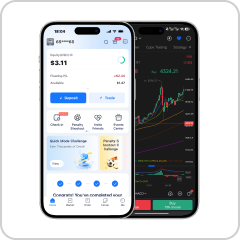
Scan to Download the Mobile App
Best Mobile Broker
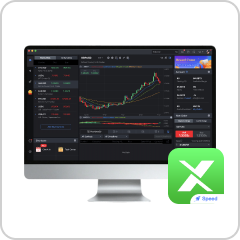
Download the Desktop Version
More Advanced Analysis Tools and Technical Indicators
English
English
Deutsch
Français
Español
italiano
Português
简体中文
繁體中文
ViệtName
Čeština
Nederlands
한국인
हिंदी
عربي
Русский
polski
български
Melayu
Ελληνικά
svenska
Српски
dansk
norsk
slovenský
Hrvatski

Support

Mobile Trading App

PC Trading App

Web Trading Platform

Download

MarketsForex

  • Price
  • Ideas
  • Signal
  • Chart
  • Cross Rate
  • Heat Map
  • About Market

MarketsForex

PriceIdeasSignalChartCross RateHeat MapAbout Market
Forex Heat Map

The live Forex heat map displays the real-time price of the currency pair and the closing price of the previous trading day to show the comparison of market trends between different currency pairs. XTrend Speed provides users with a live currency heat map. Investors can know the exchange rates between dozens of currencies on the page of "Heat Map", most of which are the most popular currencies in the world, such as euro, U.S. dollar, Japanese yen, British pound, Swiss franc, Australian dollar, Canadian dollar, and New Zealand dollar. On the page of "Heat Map", investors can understand the ups and downs of a currency pair at a glance through the different colors and the shades of the colors in the table. At the same time, investors will also get free access to the latest news and economic calendars of various currencies on the page of "Heat Map".

Track all markets on TradingView

Past performance is not an indication of future results.

NewsEconomic Calendar

Central Bank of Kazakhstan: Kazakhstan’s net gold and foreign exchange reserves in June were US$60.161 billion (a month-on-month decrease of 7.8%).

News Flash10-07 04:12From XTrend Speed
Central Bank of Kazakhstan: Kazakhstan’s net gold and foreign exchange reserves in June were US$60.161 billion (a month-on-month decrease of 7.8%).

India's NIFTY 50 index was last up 1%.

News Flash10-07 04:12From XTrend Speed
India's NIFTY 50 index was last up 1%.

JPMorgan Chase: Lowered its price target for Chevron (CVX.N) to $190 from $224.

News Flash10-07 03:57From XTrend Speed
JPMorgan Chase: Lowered its price target for Chevron (CVX.N) to $190 from $224.

News:Japanese Finance Minister Katayama Satsuki promised on Friday to ensure market trust by reducing the ratio of debt to GDP, and called on pension funds such as GPIF to increase their allocation of domestic assets in Japan. "We want to ensure that the public can directly benefit from Japan's economic growth," Katayama Satsuki said. Quotes:The yen continues to rise, The USD/JPY pair once hit a daily low of 161.28, down 0.67% on the day. Japanese stocks climbed, with NI225 once rising 2.4%. Japan's 10-year and 20-year government bond yields both fell by 10 basis points during the day. Institutional perspective:1. Daiwa Securities: Katayama Satsuki’s remarks may contribute to a “triple rebound” of Japanese stocks, yen, and Japanese bonds. GPIF's asset scale is huge, and its potential allocation adjustments cannot be ignored. She deliberately mentioned GPIF's portfolio management, sparking market speculation that the fund may increase its allocation to Japanese assets. 2. Lanze Securities: GPIF, one of the world's largest asset managers with assets under management of approximately 300 trillion yen, will turn to Japanese financial assets, which will be a boon to the Japanese stock market. It may also encourage overseas investors who have taken the lead to increase allocations. 3. Fanon Credit Bank: Satsuki Katayama responds to the weakening of the yen with structural means rather than relying on intervention. But a reversal in the yen's trend requires concrete actions, not just words. Specifically, these include the Bank of Japan's more aggressive interest rate hikes, the government's efforts to control deficits or find financing other than debt for expenditures, and the GPIF's actual allocation adjustments. 4. Sumitomo Mitsui DS Asset Management: If the allocation of foreign assets is reduced, it will ease the downward pressure on the yen, support the bond market and boost the stock market. If GPIF takes such measures, it may affect other pension funds. However, the details are unclear, and if it ultimately does not match market expectations, the recent trend may reverse. 5. Asset management company Robeco: It is generally positive for the Japanese yen and local assets, and the selling pressure on ultra-long-term Japanese bonds is expected to ease. If GPIF reduces its reliance on foreign investors, it will further support the curve above the 10-year period and promote the flattening of the ultra-steep part of the curve. 6. Foreign exchange trader Gaitame.Com: The yen rebounded as overseas investors who had sold yen due to concerns about Japan's deteriorating financial situation covered the yen after the government's annual policy guidance and Katayama's remarks on the GPIF. However, the actual scale of GPIF's additional allocation is still uncertain. Today's rally may have been in place. It will depend on the reaction of overseas investors in the future.

News Flash10-07 03:27From XTrend Speed
News:Japanese Finance Minister Katayama Satsuki promised on Friday to ensure market trust by reducing the ratio of debt to GDP, and called on pension funds such as GPIF to increase their allocation of domestic assets in Japan. "We want to ensure that the public can directly benefit from Japan's economic growth," Katayama Satsuki said. Quotes:The yen continues to rise, The USD/JPY pair once hit a daily low of 161.28, down 0.67% on the day. Japanese stocks climbed, with NI225 once rising 2.4%. Japan's 10-year and 20-year government bond yields both fell by 10 basis points during the day. Institutional perspective:1. Daiwa Securities: Katayama Satsuki’s remarks may contribute to a “triple rebound” of Japanese stocks, yen, and Japanese bonds. GPIF's asset scale is huge, and its potential allocation adjustments cannot be ignored. She deliberately mentioned GPIF's portfolio management, sparking market speculation that the fund may increase its allocation to Japanese assets. 2. Lanze Securities: GPIF, one of the world's largest asset managers with assets under management of approximately 300 trillion yen, will turn to Japanese financial assets, which will be a boon to the Japanese stock market. It may also encourage overseas investors who have taken the lead to increase allocations. 3. Fanon Credit Bank: Satsuki Katayama responds to the weakening of the yen with structural means rather than relying on intervention. But a reversal in the yen's trend requires concrete actions, not just words. Specifically, these include the Bank of Japan's more aggressive interest rate hikes, the government's efforts to control deficits or find financing other than debt for expenditures, and the GPIF's actual allocation adjustments. 4. Sumitomo Mitsui DS Asset Management: If the allocation of foreign assets is reduced, it will ease the downward pressure on the yen, support the bond market and boost the stock market. If GPIF takes such measures, it may affect other pension funds. However, the details are unclear, and if it ultimately does not match market expectations, the recent trend may reverse. 5. Asset management company Robeco: It is generally positive for the Japanese yen and local assets, and the selling pressure on ultra-long-term Japanese bonds is expected to ease. If GPIF reduces its reliance on foreign investors, it will further support the curve above the 10-year period and promote the flattening of the ultra-steep part of the curve. 6. Foreign exchange trader Gaitame.Com: The yen rebounded as overseas investors who had sold yen due to concerns about Japan's deteriorating financial situation covered the yen after the government's annual policy guidance and Katayama's remarks on the GPIF. However, the actual scale of GPIF's additional allocation is still uncertain. Today's rally may have been in place. It will depend on the reaction of overseas investors in the future.

Market news: It is reported that the Japanese cabinet will make a decision on the "honebuto policy" (basic policy for economic and fiscal operations and reform) on July 21.

News Flash10-07 03:26From XTrend Speed
Market news: It is reported that the Japanese cabinet will make a decision on the "honebuto policy" (basic policy for economic and fiscal operations and reform) on July 21.

Pricing documents show that Qatar Energy has set the official selling price of seaborne crude oil in August at a discount of $5/barrel to the price of Oman/Dubai crude oil; the official selling price of land-borne crude oil has been set at a discount of $4.50/barrel.

News Flash10-07 02:50From XTrend Speed
Pricing documents show that Qatar Energy has set the official selling price of seaborne crude oil in August at a discount of $5/barrel to the price of Oman/Dubai crude oil; the official selling price of land-borne crude oil has been set at a discount of $4.50/barrel.